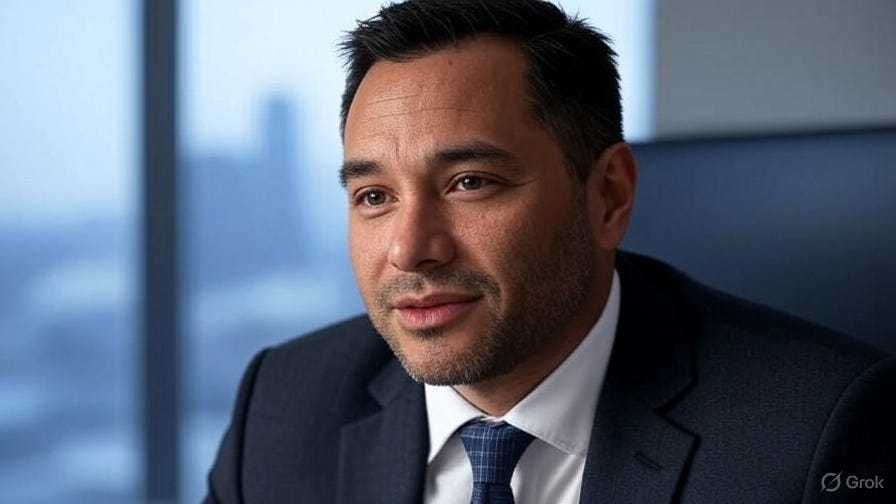
Enhancing Interview Results in 2025
From Stress to Success

The interview room—whether it’s a polished corporate office, a Zoom window, or an AI-powered screening tool—remains one of the most intimidating spaces for job seekers. It’s where your story, your skills, and your humanity collide with algorithms, hiring panels, and first impressions.
Yet, when approached with strategy, preparation, and authenticity, interviews can shift from being stress-filled interrogations to transformative opportunities. Let’s explore how you can enhance your interview results in 2025.
The Power of Storytelling
Facts alone don’t win interviews—stories do. Instead of rattling off responsibilities, frame your answers with narratives. Use the STAR method (Situation, Task, Action, Result) but take it further:
Paint the problem vividly. Show the stakes.
Highlight your thinking process. Decision-making is as valuable as the outcome.
Tie the story to the company’s mission. Make it clear why your past experience connects to their future.
👉 Think of your career as a book: each answer is a short chapter, and every chapter should lead back to why you are the right protagonist for their story.
Interview Methods Evolving in 2025
Gone are the days of just sitting across from a manager. Today’s interviews are multi-channel experiences:
AI Pre-Screens: Algorithms analyze voice tone, pacing, and even micro-expressions. Treat them like real conversations—speak clearly, maintain steady pacing, and don’t rush.
Video Interviews: Lighting, background, and camera angle matter as much as your words. In 2025, recruiters expect professionalism—even from your home office.
Panel Interviews: These are less about one person judging you and more about watching how you build rapport with a group. Make eye contact with each member, not just the lead.
Case/Scenario Interviews: Increasingly common, especially in tech, consulting, and strategy roles. Practice structured problem-solving out loud—showing your logic is more important than landing on a perfect answer.
Mock Interviews: Rehearse to Succeed
Professional athletes don’t just show up for the big game—they rehearse under pressure. You should too.
Mock with friends or mentors: Ask for honest feedback on body language and clarity.
Leverage AI tools: Platforms now simulate interview questions with real-time coaching on filler words, pace, and tone.
Record yourself: It’s uncomfortable at first, but you’ll catch nervous tics and refine your delivery faster than you think.
Body Language Speaks Louder Than Words
Over 70% of communication is nonverbal. A steady posture, open gestures, and consistent eye contact (even virtually) can build trust instantly. On video, nodding occasionally and leaning slightly forward signals engagement. Watch your hands—fidgeting is a silent giveaway of nerves.
Handling Stress & Nerves
Even the most confident professionals feel the heart race before “Tell me about yourself.” Instead of fighting stress, manage it:
Breathing drills calm your nervous system within 90 seconds.
Preparation routines (e.g., reviewing notes, affirmations, or listening to music) give you grounding rituals.
Reframing nerves as energy turns anxiety into enthusiasm.
Preparation: Beyond the Basics
In 2025, preparation isn’t just reading the company website. It’s about connecting dots:
AI research tools let you quickly summarize a company’s last earnings call or CEO interview.
LinkedIn deep dives help you tailor stories that resonate with your interviewer’s background.
Micro-prep: Have 5–6 ready-to-go stories that cover leadership, problem-solving, conflict resolution, and innovation. These can be adapted to nearly any question.
Being More Effective: Bringing It All Together
The most successful candidates in 2025 do three things consistently:
Anchor in authenticity. No AI or polished resume beats a genuine story told with conviction.
Adapt to the medium. Whether it’s AI, video, or in-person, match your delivery to the format.
Reflect and refine. After every interview, jot down what worked and what didn’t. Small adjustments compound into huge improvements.
Final Thought
An interview is not a test—it’s a conversation about possibility. Every question is an invitation to show not just what you’ve done, but who you are becoming.
So the next time you sit in front of an AI camera, log into a video panel, or walk into a boardroom, remind yourself: you’re not there to survive an interrogation—you’re there to share a story only you can tell.
And that story just might be the bridge to your next opportunity.